Edge computing is transforming various sectors by facilitating localized data processing. This technology enhances the functionality of smart cities, autonomous vehicles, healthcare systems, and industrial automation. By reducing latency and improving real-time data processing, edge computing optimizes operational efficiency. Its applications raise important questions about scalability, security, and integration. Understanding these aspects is essential to grasp the full impact of edge computing on modern infrastructure and services.
Smart Cities and Infrastructure
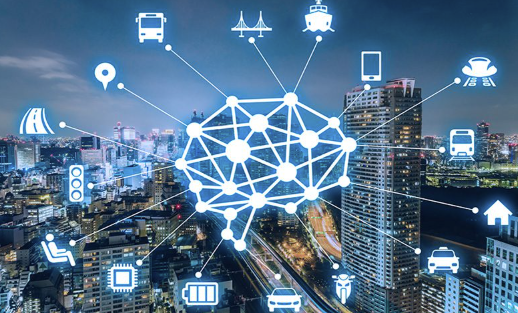
As urban populations continue to swell, the integration of edge computing in smart cities and infrastructure emerges as a pivotal solution for enhancing operational efficiency and public services.
Smart traffic systems leverage real-time data processing to optimize vehicle flow, reducing congestion.
Additionally, edge computing facilitates advanced energy management, enabling dynamic resource allocation and minimizing waste, ultimately fostering sustainable urban development while empowering citizens with improved services.
Autonomous Vehicles and Transportation
The integration of edge computing significantly enhances the functionality of autonomous vehicles and transportation systems.
By enabling real-time vehicle communication, edge computing facilitates instantaneous data exchange between vehicles and infrastructure, improving traffic management. This creates a more efficient transportation network, reduces congestion, and enhances safety.
Ultimately, the synergy of edge computing and autonomous technology empowers users with greater freedom in mobility and travel experiences.
Healthcare and Remote Patient Monitoring
While advancements in healthcare technology continue to evolve, the integration of edge computing is revolutionizing remote patient monitoring.
This technology enhances telehealth services by enabling real-time data processing from wearable devices, facilitating timely medical interventions.
See also: AI Tools That Are Transforming Industries
Industrial Automation and IoT Applications
Edge computing’s impact extends beyond healthcare, significantly influencing industrial automation and IoT applications.
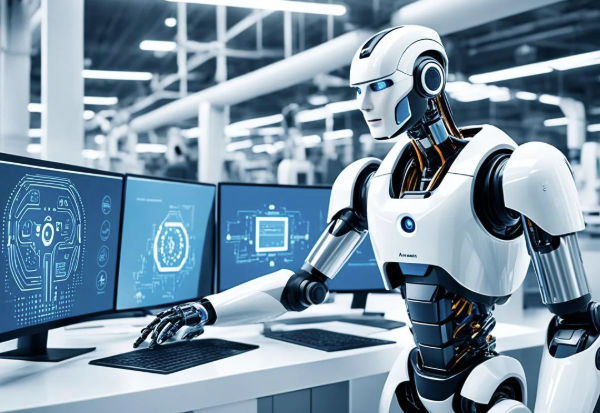
By facilitating real-time data processing, it enhances predictive maintenance strategies, reducing downtime and operational costs.
Additionally, edge computing supports supply chain optimization by enabling quicker decision-making and improved resource management.
This technological evolution empowers industries to operate more efficiently, fostering a new wave of innovation and operational freedom.
Conclusion
In conclusion, edge computing stands at the forefront of technological advancement, enhancing smart cities through optimized traffic and energy management, revolutionizing autonomous vehicles with real-time data processing, transforming healthcare via remote patient monitoring, and driving industrial automation through efficient IoT applications. By facilitating rapid decision-making and resource optimization, edge computing not only empowers innovation but also reshapes the landscape of various sectors, promising a future where efficiency, responsiveness, and connectivity are paramount.