Understanding ਪੰਜਾਬੀxxx Step by Step offers a clear, strategic pathway to Punjabi literacy. The guide distinguishes both Gurmukhi and Shahmukhi scripts, clarifies phonetics, and builds practical pronunciation. It prioritizes everyday phrases, greetings, and cultural cues, while supplying reading tips and context cues. Readers gain a practical framework for speaking with confidence and comprehension. The approach is measured and goal-oriented, inviting readers to apply the steps in real conversations and see what comes next.
What Punjabi Script and Sounds Actually Look Like
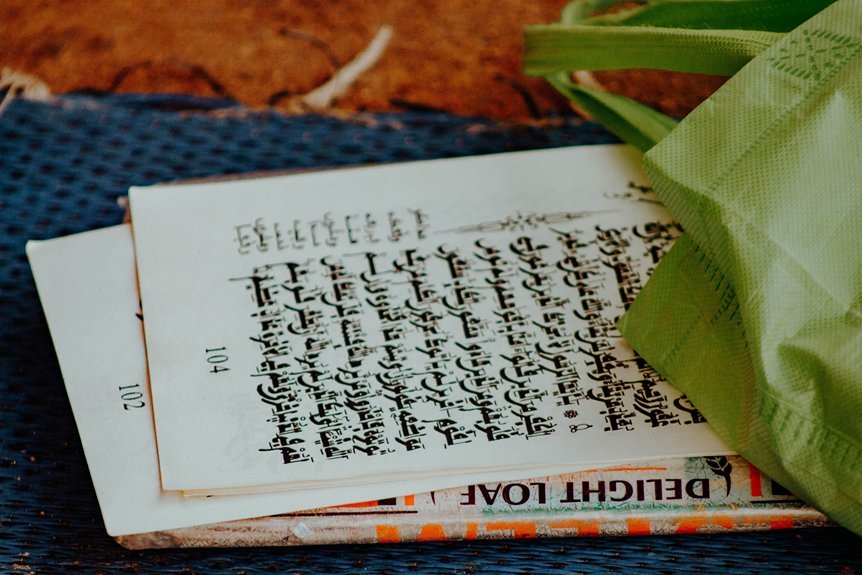
Punjabi uses two writing systems: Gurmukhi for most Sikh and Punjabi-speaking communities in India, and Shahmukhi (a variant of the Persian script) used in Pakistan. The overview highlights Punjabi script evolution and Punjabi phonetics overview, showing distinct characters, vowels, and consonant clusters.
The analysis remains objective, concise, and audience-focused, framing literacy as a pathway to freedom through clear, practical understanding.
How to Pronounce Basic Punjabi Phrases With Confidence
Mastering the pronunciation of basic Punjabi phrases hinges on accurate vowel and consonant articulation, steady syllable rhythm, and attention to tonal emphasis. Clear guidance helps learners build confidence, enabling practical use.
How pronunciation guides aid memory streamlines recall through structured cues, while how intonation changes meaning reveals subtle differences in intent, encouraging intentional practice, cultural sensitivity, and independent progress toward fluid communication.
Everyday Punjabi Phrases for Real-Life Situations
In real-life contexts, everyday Punjabi phrases empower learners to navigate common interactions with confidence and clarity. The section presents practical, two word discussion ideas and everyday phrases that target real scenarios—greetings, requests, apologies, and thanks—without extraneous chatter.
It emphasizes purposeful use, cultural nuance, and learner autonomy, enabling concise communication while fostering freedom to adapt phrases to personal contexts.
Quick Tips to Read and Understand Punjabi in Context
To build on practical, two-word phrases from everyday interactions, this section outlines concise strategies for reading and understanding Punjabi in real-time contexts. The guidance emphasizes quick tips, contextual cues, and active listening to boost reading confidence. It remains detached and strategic, focusing on audience needs, practical applications, and freedom to interpret meaning while maintaining clarity, precision, and efficient comprehension.
Frequently Asked Questions
What Is the Best Way to Practice Punjabi Daily Without a Tutor?
A practical answer: The best way to practice Punjabi daily without a tutor is to establish a consistent practice routine using self guided resources, immersive listening, speaking aloud, and regular spaced repetition, tailoring routines to personal goals and availability.
How Does Punjabi Grammar Differ From Other Indian Languages?
In a distant marketplace of ideas, Punjabi script and grammar differences surface: Punjabi grammar differs in aspect, gender, and postpositions, while scripts influence orthography and phonology; differences from other Indian languages become evident through flexible word order and agglutinative nuances.
Which Punjabi Dialect Should Beginners Follow First?
Beginners’ focus should start with Majhi, then gradually explore the closely related dialects. Speaking vs listening emphasis helps; Punjabi dialects vary. Dialect features are approachable, strategic for learners seeking freedom, clarity, and practical communication.
Can Punjabi Be Learned Through Music and Movies Effectively?
Yes, Punjabi can be learned effectively through music and movies, writes the analysis, as coincidence links listening comprehension with Punjabi pronunciation, music-based mnemonics, and vocabulary from Movies for vocabulary, while script learning and immersion reinforce language freedom.
What Common Reading Mistakes Should Learners Avoid?
Common reading mistakes hinder progress, and learners should avoid skipping practice with unfamiliar scripts. By identifying errors early, one minimizes pronunciation pitfalls, refines fluency, and sustains motivation; disciplined routines, strategic note-taking, and regular feedback support fearless, effective learning.
Conclusion
This guide glides learners from grasping Gurmukhi and Shahmukhi to grasping practical pronunciation. It clarifies sounds, strengthens speaking, and supports swift, steady progress. Readers reframe real-life communication through concise, consumer-friendly steps, consistent practice, and cultural cues. By building bridge-like familiarity, it bolsters confidence and comprehension in everyday exchanges. Strategic, structured, and sensitive to subtle shifts, the approach ensures steady, satisfying language growth. Strong, steady steps spark sustained study, and success becomes simply within reach.